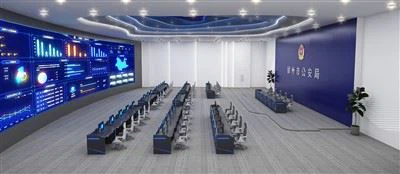
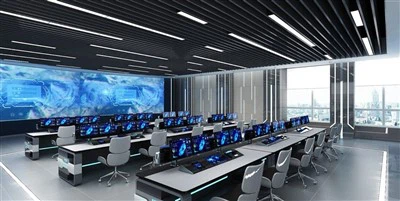
An industrial control console may look like a simple desk or cabinet, but it plays an important role in daily operations. It gives operators one central place to monitor equipment, check data, and respond to problems.
A good control console should first be comfortable to use. Operators may sit or stand in front of it for several hours, so the height, screen position, and control layout need to be practical. Frequently used buttons and switches should be easy to reach, while monitors should be placed at a comfortable viewing angle.
Durability is also important. In factories, power plants, traffic control rooms, and other industrial environments, consoles may be exposed to dust, heat, vibration, or continuous use. Strong materials, reliable hardware, and proper ventilation can help protect the equipment inside.
Cable management is another detail that should not be ignored. A well-designed console keeps cables organized and allows technicians to access them easily during maintenance. This saves time and reduces the risk of accidental disconnection.
Finally, every project has different requirements. Some users need several monitors, while others need storage space, adjustable worktops, or space for special control devices. For this reason, customized control consoles are often more practical than standard models.
Choosing the right console is not only about appearance. A thoughtful design can improve operator comfort, equipment safety, and overall working efficiency.