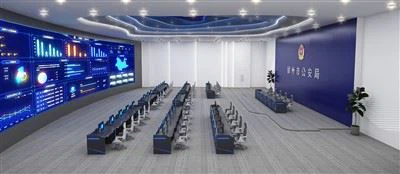
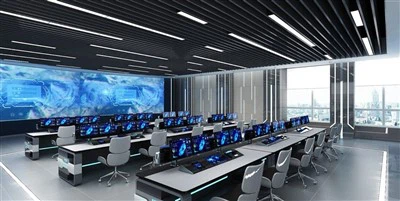
Step into any older control room, and you'll notice the same outdated setup: endless rows of separate operating consoles. Each device works for just one specific system, with its own dedicated keyboard, mouse and bank of screens. Operators constantly turn back and forth between different stations, juggling split, unconnected interfaces, and struggling to monitor status across dozens of independent displays.
This outdated working model is fading out - and it's a long-overdue upgrade.
The industry shift today is never just about better-looking screen displays. It centers on functional integration: combining all separate operating systems into one unified workstation, where a single set of keyboard and mouse can manage every device and service. Integrated workstations serves as a great real-world example. It supports unlimited signal inputs on a fixed number of monitors. Practical tests prove it can cut operators' desk space usage by around 35%, reducing on-site clutter and lowering the burden of switching between devices.
Beyond simpler hardware layouts, the biggest improvement lies in daily work efficiency. Operators can now switch between different control modes in an instant - a key advantage during emergency handling and shift handover scenarios. Many new systems also support full workstation migration. Operators can move to any desk on-site and load their exclusive working environment directly, with no manual resetting or extra setup time wasted.
Old way: scattered devices, repeated clicks, constant switching. New way: one workstation, one workspace, one clear picture.
Is your control room still stuck in the old days? Or have you made the move? I'm genuinely curious what's working on the ground - drop a comment or reach out, let's compare notes.